
Exchange Online (Microsoft 365) Configuration
Fishbowl integrates with your Microsoft 365 Room and Equipment Mailboxes
There are two ways to connect Fishbowl to Microsoft 365:
-
App Registration (Application Permissions). Register an app in Microsoft Entra with application-level permissions. Credentials are entered once during linking and shared across all your devices. No interactive sign-in is required on the device. This is the recommended method.
-
OAuth Delegated (Delegated Permissions). Sign in interactively with a Microsoft account on each device. The device uses delegated permissions granted to the signed-in user.
Both methods require a Room Mailbox in Microsoft 365. If you haven't set one up yet, follow the steps below before proceeding to either method.
Note: When a meeting is created in Microsoft Exchange, it exists in the Room calendar separately from the Organizer's calendar. Fishbowl can only access the Room calendar, and not the calendars of Organizers. While this is good from a privacy perspective, it unfortunately means that if Fishbowl ends or extends a meeting, this is not propagated to the Organizer or Attendees' calendars. Usually this is not a problem though, because only ongoing meetings can be extended or ended early. Attendees would be attending the ongoing meeting and would be aware of any changes that are made on your Fishbowl tablet.
Create a Room Mailbox
In most cases you will already have a room mailbox, and you can proceed without the following steps.
- Log into the Microsoft 365 admin center with an Administrator account.
- Select
Resources > Rooms & equipmentfrom the menu on the left. You might have to click on "Show all" first.

- Click the
+ Add resourcebutton to add a new meeting room. - Enter your room details (Name and Email are required fields), and be sure to make a note of the email address of the mailbox.

- Click
Save
Allow meeting subject display
Microsoft 365 by default does not allow access to the meeting subject (title), and the organizer's name is shown instead. If you'd like to display the meeting subject please follow the instructions below. You need to connect to Exchange Online through PowerShell or the Azure Cloud Shell. If you already have PowerShell configured with the MSOnline module, then you can just execute the command in step 6.
Important: This setting is unfortunately not retrospective, so existing meetings will still have their subject hidden. Only new meetings will be affected.
- Log into the Microsoft 365 admin center with an Administrator account.
- Click on the Cloud Shell icon in the top right.

- If this is the first time that you use Cloud Shell, you might have to connect an Azure Subscription and Azure storage. This might incur Microsoft subscription charges.
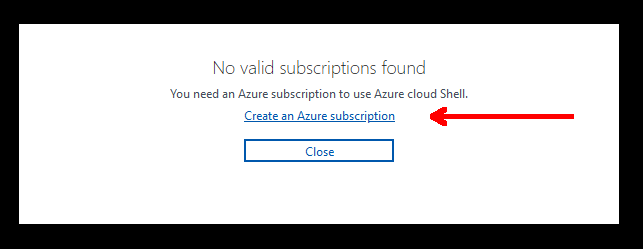
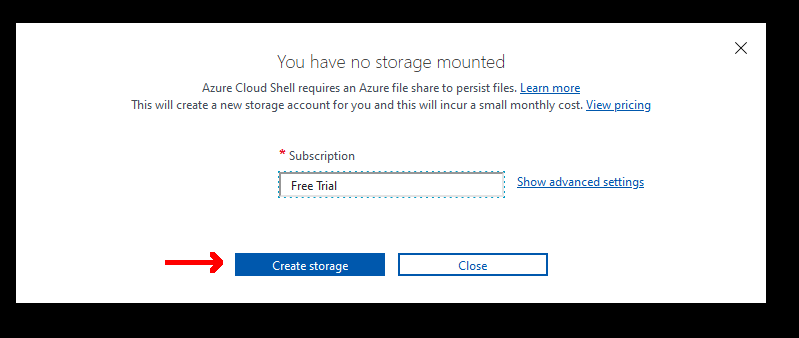
- If this is the first time that you are connecting to Exchange Online through Cloud Shell, first install the Connect-ExchangeOnline Module:
Install-Module -Name ExchangeOnlineManagement
Note: Even though this is an official Microsoft module installed from the PowerShell Gallery, it may still give you an Untrusted Repository warning.
- Now connect to Exchange Online by typing the following:
Connect-ExchangeOnline - Finally, enter the following for every room mailbox:
Set-CalendarProcessing -Identity [email protected] -DeleteSubject $False -AddOrganizerToSubject $False
Note:
[email protected]is the mailbox that was configured for each meeting room.
- Close the Cloud Shell
For additional information, refer to the relevant Microsoft support page
Hide private meetings
Microsoft 365 by default does not send the "Private" flag to meeting rooms. This means that if you have marked a meeting as private, the Resource Booking Agent will remove it.
Important: This setting is unfortunately also not retrospective, so existing meetings will not be marked as private. Only new meetings will be affected.
- Follow the PowerShell / Cloud Shell instructions above.
- Enter the following for every room mailbox:
Set-CalendarProcessing -Identity [email protected] -RemovePrivateProperty $False
Note:
[email protected]is the mailbox that was configured for each meeting room.
- Close the Cloud Shell